The night before the egg hunt
Prefilled eggs, a hiding plan and a count that comes back even, so the morning is a hunt and not a scramble.
The midnight stuffing session, retired
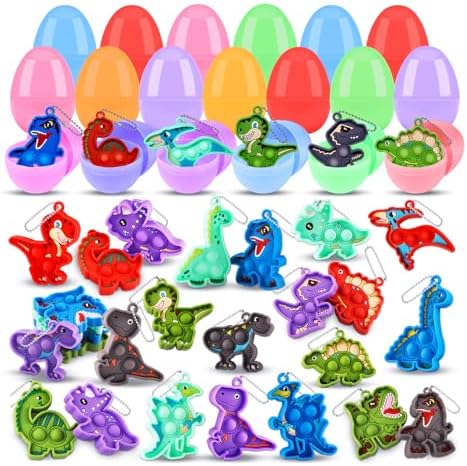
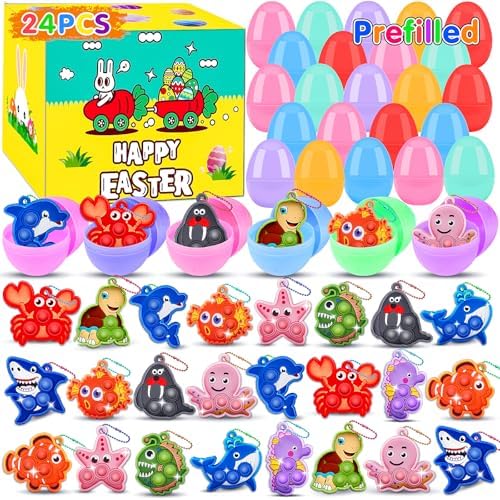
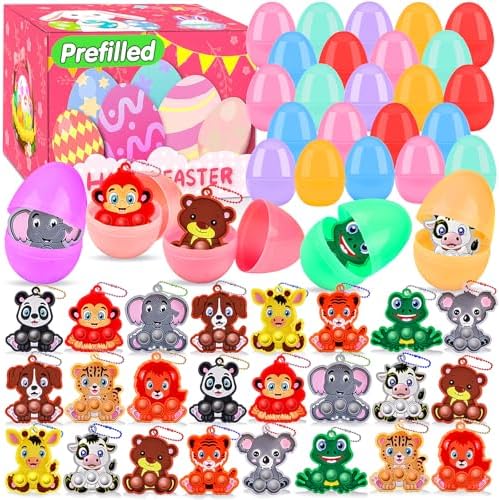
Ask anyone who has hosted a hunt what they remember and it is the night before: a couch, a mountain of empty plastic shells, and a filling operation that runs long past the point of caring what goes in each egg. Our eggs arrive with the pop toy already inside. The shells stay closed until a kid cracks them, which is the whole fun of the egg anyway.
Count out, write it down
Before a single egg leaves the box, count how many you are hiding and write the number on the box lid. This is the number that ends the hunt. Without it, the hunt ends when the adults get tired, and the last egg turns up in July behind the hose reel with nobody sure it was even yours.
Hide in layers
Mixed groups need mixed hiding. Put a share of eggs in plain sight on the grass for the smallest hunters, a share at knee height in the obvious bushes, and the last share up on ledges and deep in the flower beds for the ones who treat this as a competitive event. Everyone comes back with a basket that has something in it, which is the actual goal.
Have a rain plan that is not cancelling
Silicone toys do not mind wet grass, but hunters in socks mind wet everything. If the sky turns, the same eggs hide indoors just fine: bookshelf rows, under couch cushions, in the fruit bowl. Keep the count rule and the layers rule and the living room works as well as the yard.
The eggs after the eggs
Empty shells are worth keeping. They close again, so they refill from your favor bin for a summer scavenger hunt or a car ride surprise. The egg shelf restocks each spring, and the count-out habit carries over to every hunt after this one.
Eggs ready to hide
Pulled from the live catalog by the same rule the note describes, most rated first.